0


Your Cart


Product title goes here
$19.95
Thank you! Your submission has been received!
Oops! Something went wrong while submitting the form.
No items found.
Sub-Grand Master José Salcedo of the Los Angeles Chapter reflects on nearly four decades of studying Ohara Ikebana. In this interview he shares the teachers who shaped him, the materials that inspire him, and why creating an arrangement can feel like meditation.

This interview with Jose Salcedo offers a wonderful introduction to his teaching philosophy, artistic approach, and long journey in the Ohara School of Ikebana.
Jose-Sensei will be visiting Columbus, Ohio, in August 2026 for a special series of workshops, a community celebration dinner, and a live Ohara Ikebana demonstration hosted by the Central Ohio Shibui Study Group.
👉 View the complete event schedule and registration information here.
This interview is part of the Ohara Sensei Interview Series, where we speak with senior teachers across the Ohara community to learn about their journey, influences, and philosophy of ikebana.
Name: José Salcedo
Certificate Level: First Master
Honorary Title: Sub-Grand Master, Ohara School of Ikebana
Location: Pasadena, California
Years Studying Ikebana: 38 years (since 1988)
Primary Teacher:
Reiko Kawamura (Ohara Grand Master)
Other Ikebana Training:
In addition to studying Ohara, José has studied Ikenobo ikebana since 1988.
Affiliations:
Los Angeles Chapter
North American Ohara Teachers Association (NAOTA)
Teaching Style:
Encouraging, reflective, technique-focused; emphasizing gratitude and personal growth
Favorite Materials:
Japanese flowering quince, ume, and salix
Instagram:
https://www.instagram.com/jose.salcedo.904/

I spoke with José Salcedo about how he first encountered the Ohara School, the teachers who influenced him most deeply, and the lessons he now shares with his own students.
I attended an Ikebana International autumn exhibition for the first time and saw an arrangement that had a maple leaf floating in the water.
I was immediately transported back to a Japanese garden I had visited a few years earlier in England. There was a small stream in that garden, and leaves from a nearby tree were flowing down the water.
That arrangement took me back to that garden and the wonderful feeling I had standing beside the stream.
I knew at that moment that I wanted to learn how to create arrangements that could evoke that kind of feeling in someone else. I looked at the name of the school displayed with the arrangement and began searching for a sensei.
My sensei for more than thirty years was Reiko Kawamura, a Grand Master of the Ohara School. I attended her weekly classes after work for many years.
She was an incredible arranger and teacher. She was willing to teach her students as much as they were willing to learn.
She also maintained three gardens, where she grew many of her own materials. This allowed her students to work with traditional materials that were not always available at the Los Angeles Flower Market, such as flowering apricot, camellias, and water lilies.
I was also fortunate to attend annual workshops given by Mrs. Shofu Shohara, another Grand Master whose demonstrations and instruction were deeply inspiring.

In addition to these teachers, Mona Lutz, Past International President of Ikebana International, was a member of our Ohara chapter and often gave me advice on my arrangements.
Mrs. Kawamura emphasized the importance of understanding how each material grows in nature and using that knowledge when creating arrangements.
She also advised her students never to criticize other arrangements.
She would say:
“You should never compete against someone else. You should compete only with yourself.”
From my Ikenobo sensei, Mrs. Sakahara, I learned to deeply appreciate and respect the materials we use in our arrangements.
She often demonstrated this by bowing in front of her finished arrangement and quietly whispering a simple thank you, along with a request that the materials remain fresh.
Watching that simple gesture left a lasting impression on me.
One of my favorite materials to work with is Japanese flowering quince.
The blossoms are delicate and beautiful, while the branches themselves are stiff, angular, and covered in thorns. I find the contrast between the softness of the flowers and the strong structure of the branches very moving.
I also enjoy working with fresh salix (pussy willow). The branches are flexible and easy to manipulate, allowing me to create graceful curves.
More generally, I enjoy working with materials from the prunus family, such as cherry, peach, almond, and ume.

Creating arrangements has become my zazen, my meditation.
When I am making an arrangement, the rest of the world disappears. My attention is focused entirely on the arrangement in front of me: what has already been placed in the container, what materials remain on the table, and what still needs to be added — or perhaps removed.
For many years my goal was to create something beautiful or dynamic.
Today my goal is different.
I continue working on an arrangement until it simply feels right.
When I can stand in front of it and feel calm and relaxed, I know the arrangement is complete. Only then do I step back and consider whether it is beautiful or dynamic.
Inspiration comes from many places.
I often find inspiration simply by observing what is growing around me. I enjoy taking walks and paying attention to what catches my eye: branches with interesting movement, combinations of colors, or the way plants grow and change throughout the seasons.
Nature provides endless ideas.
One thing I often tell my students is:
“You know more than you think. Have faith in your knowledge.”
Many students second-guess themselves and lose confidence in their ability to create beautiful arrangements. Part of my role as a teacher is helping them recognize the skills they already have.
I also encourage students to focus more on improving their skills than on obtaining certificates.
Personally, I would prefer to be known for my skills, not simply for my certificate level.
For teachers, it is important to remember that students learn in different ways. Some are visual learners, some need detailed explanations, and others require repeated instruction. Whenever possible, it is helpful to adapt our teaching to the student in front of us.
It is also important to remember that not every student wants to become a teacher. Many students simply want to experience the joy, peace, or beauty that comes from creating arrangements, and that should be respected.
Finally, it is just as easy to encourage a student as it is to discourage one. Whenever possible, teachers should choose encouragement.
José has shared several demonstrations and instructional videos. A few examples include:
Landscape – Rohdea japonica
Upright Moribana demonstration
Traditional Method Color Scheme
Realistic Landscape demonstration
Heika techniques
Demonstration for Ikebana International chapters in Honolulu
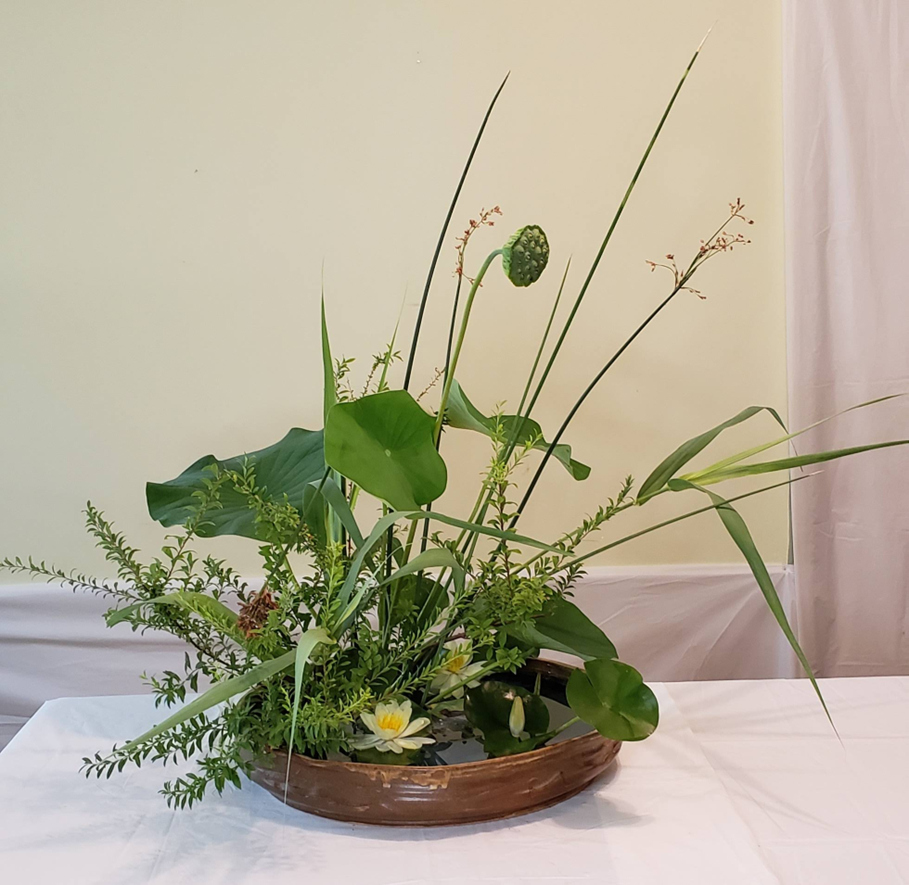
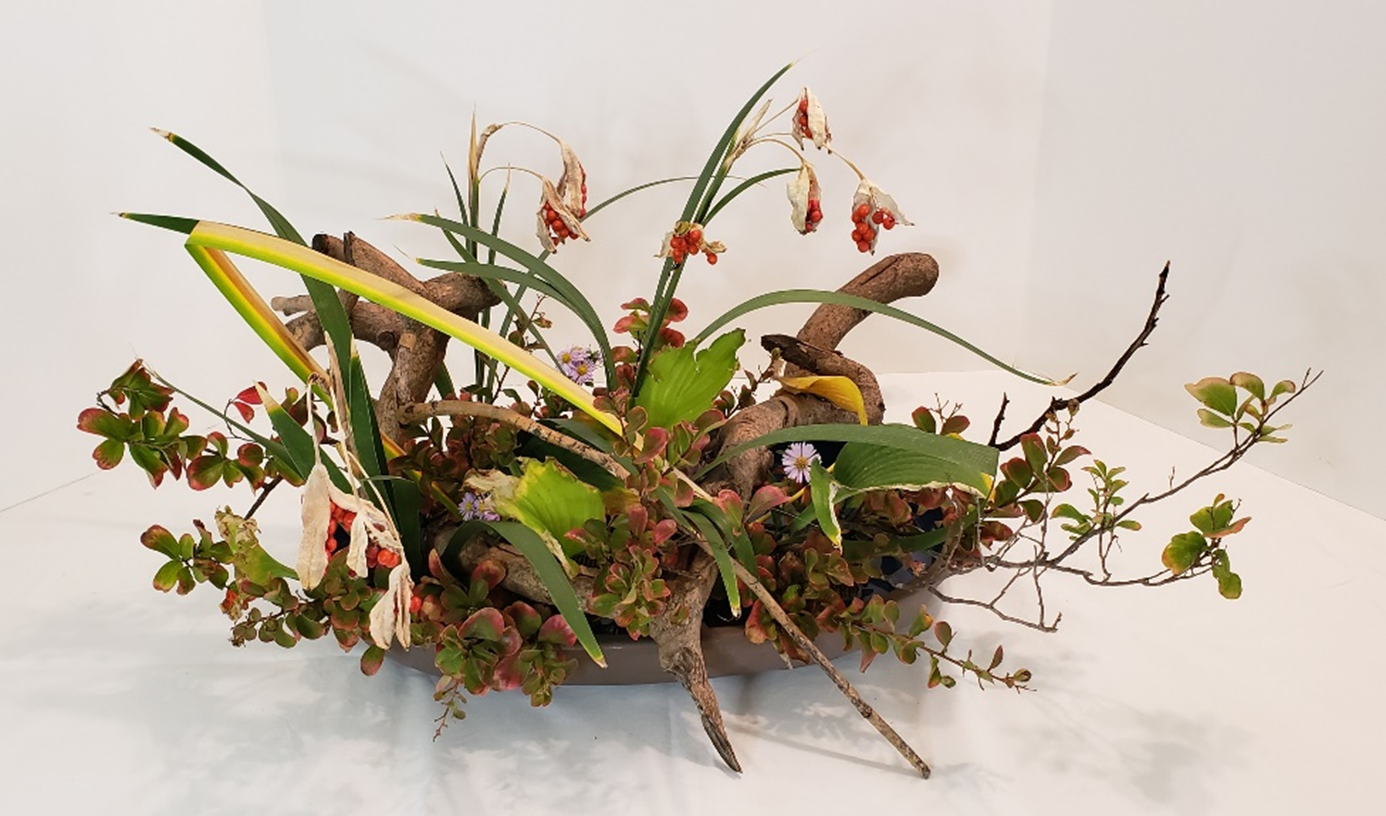
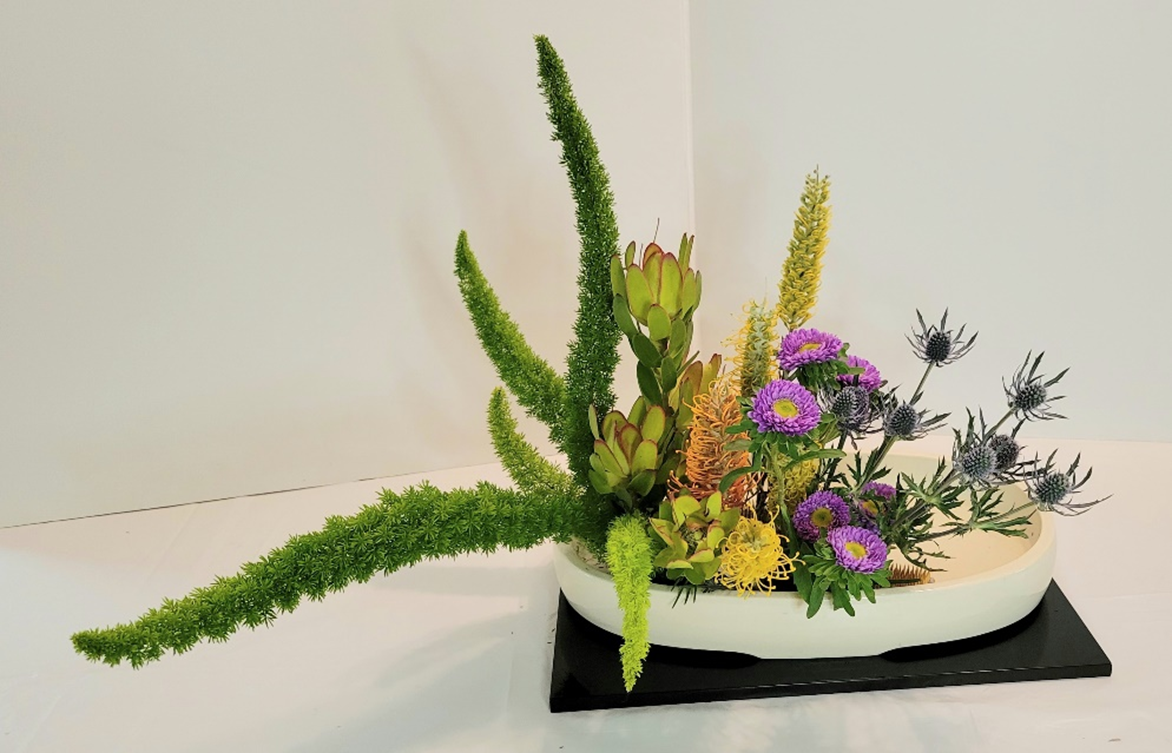
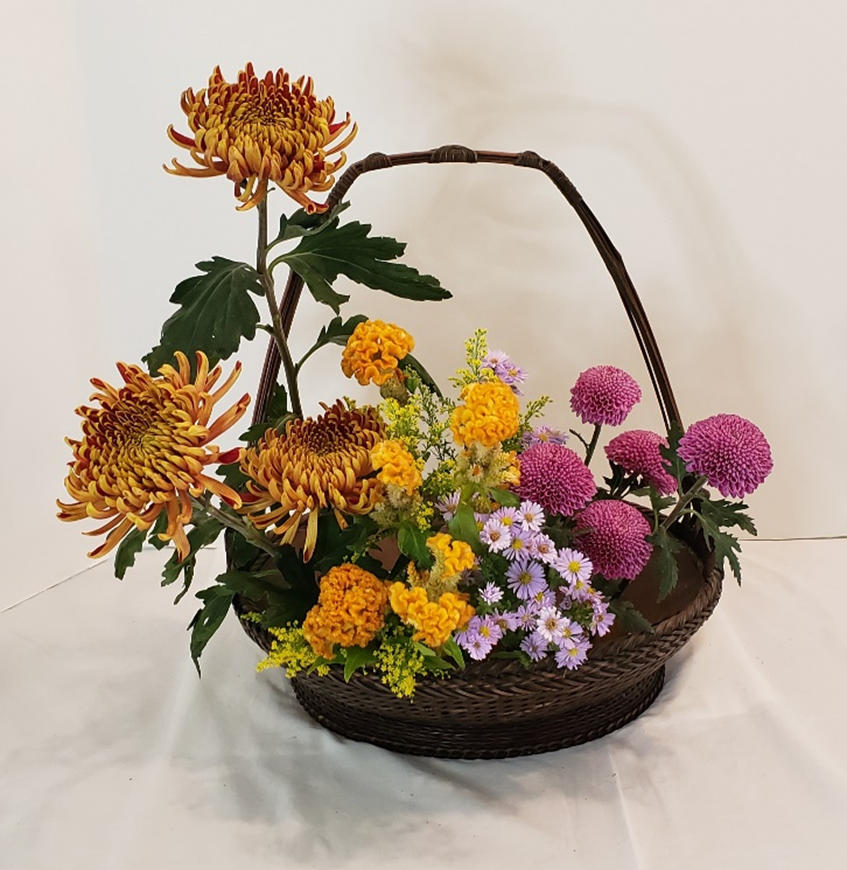
(Gallery of selected arrangements and demonstrations)







Joe Rotella
Associate Second Term Master
Ohara School of Ikebana
Whether you live in Central Ohio or across the world, you can be part of our Ohara ikebana community. Annual membership is just $24 and includes four online lectures each year (a $60 value), available live or on demand.
Become a Member →Near Columbus? Join us in person for beginner-friendly Ohara ikebana classes.
View Columbus Classes →