0


Your Cart


Product title goes here
$19.95
Thank you! Your submission has been received!
Oops! Something went wrong while submitting the form.
No items found.
If you’ve ever spent time in Japan—or even just dreamed about it—there’s one stretch of the year that stands out: Golden Week. It’s a unique cluster of holidays that brings the entire country to life. But beyond the travel and celebrations, Golden Week offers something quieter and more meaningful—a glimpse into how Japan experiences seasonality. And once you start to notice that, you begin to see Ikebana a little differently.

It’s not just one holiday. It’s a cluster of national holidays that fall within a single week, creating one of the busiest and most celebrated times of the year. Trains are packed. Parks are full. Families travel. And everywhere you look, there’s a sense that something important is happening.
But what makes Golden Week especially interesting isn’t just the travel or the celebrations.
It’s what it quietly reveals about how Japan experiences time, nature, and seasonality.
Even if you’ve never been in Japan during this time, you can feel it in the way the season shifts.
And once you start to see that… you start to see Ikebana differently, too.
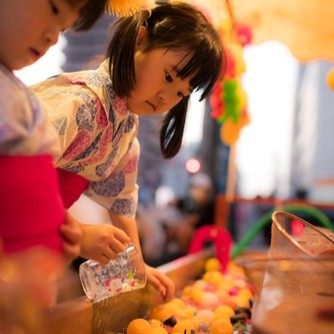
Golden Week typically includes four national holidays:
On paper, they don’t seem connected. But when you experience them together, they feel like a progression.
But in practice, they create a kind of rhythm—a progression from reflection… to renewal… to nature… to growth.
And that progression happens at a very specific moment in the year.
Golden Week falls right at the transition from spring into early summer.
Cherry blossoms have faded. Fresh green leaves are emerging. Early summer flowers begin to appear. The air feels different—lighter, but also fuller.
This moment isn’t just a backdrop.
It’s the point.
In Japanese culture, seasons aren’t just observed—they’re experienced as transitions. Subtle shifts in color, temperature, and growth are noticed and appreciated.
And that mindset is at the core of Ikebana.
Of all the Golden Week holidays, Greenery Day is the one that resonates most directly with Ikebana.
It’s not about flowers.
It’s about appreciating nature itself.
That distinction matters.
In Ikebana, we’re not decorating with plants—we’re working with them as living materials. Their natural movement, their direction, their stage of growth… all of that matters.
If you think about your own arrangements:
Those aren’t design choices we impose.
They’re characteristics we notice and reveal.
That’s very much in the spirit of Greenery Day.
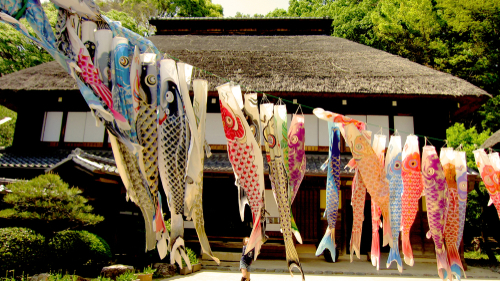
Then comes Children’s Day, with its iconic carp streamers (koinobori) flowing in the wind.
They’re designed to represent strength, perseverance, and upward movement.
Sound familiar?
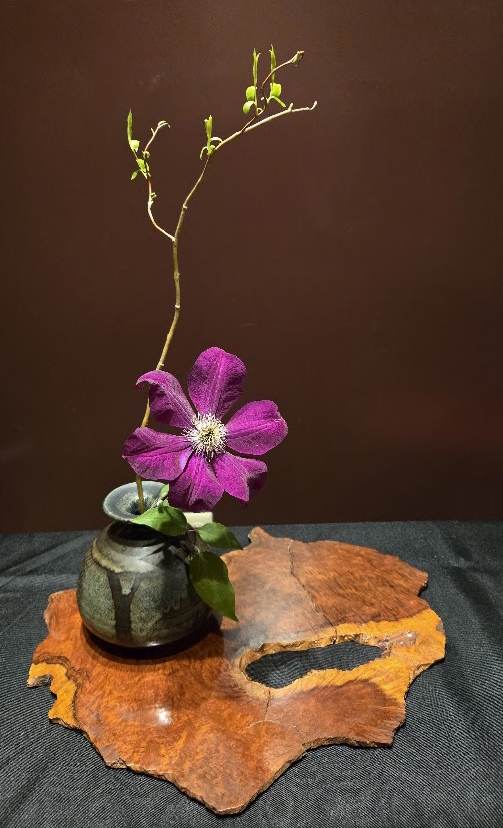
In Ikebana, especially in forms like Rising Form, we’re often expressing:
Even when we’re not thinking symbolically, those qualities show up naturally when materials are used honestly.
A strong vertical line isn’t just structure.
It’s expression.
Golden Week reminds us of something easy to forget:
We’re not just arranging flowers.
We’re expressing a moment in time.
These are exactly the kinds of seasonal shifts we explore in our classes each month.
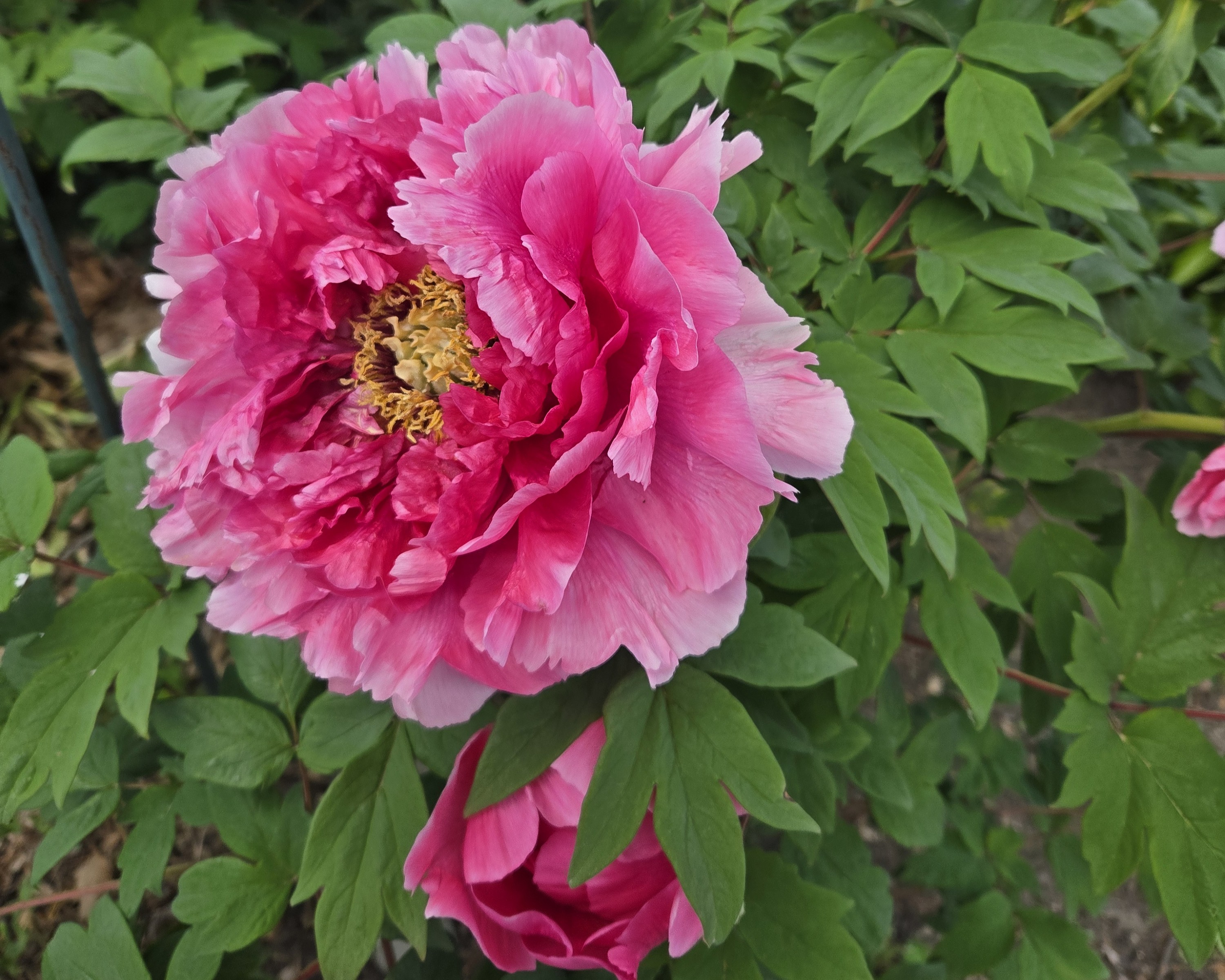
Right now—late spring moving into early summer—we see it in:
If spring is about anticipation, this moment is about emergence.
Things are no longer just beginning.
They’re becoming.
One of the things I’ve come to appreciate over the years is how much Ikebana changes when you start paying attention to when something is happening—not just what you’re arranging.
Golden Week is a perfect example of that.
It’s not a single idea or theme.
It’s a transition.
And that’s something we try to capture—whether we realize it or not—every time we step up to arrange.
The next time you’re working on an arrangement, especially this time of year, you might ask yourself:
Because in Ikebana, the most interesting work often happens right at the moment of transition.
And Golden Week is a beautiful reminder of that.
Joe Rotella
Associate Second Term Master
Ohara School of Ikebana


